Alexa+ vs. Home Assistant: Voice Command Performance Tested
A recent comparison between Amazon's Alexa+ and Home Assistant's native voice assistant revealed that while both systems perform similarly in basic tasks, Home Assistant's Assist outperformed Alexa+ in handling multiple commands. Alexa+ is powered by a large language model, which gives it an edge in understanding natural language, but Assist's performance in specific scenarios surprised the tester.

Key takeaways
30-second read- 1Users looking for smart home voice control should consider the strengths and weaknesses of each assistant, especially in handling complex commands.
- 2Home Assistant's Assist may be more effective for users who frequently issue multi-part commands, as it successfully managed tasks that stumped Alexa+.
- 3The performance differences may influence decisions on which smart home ecosystem to invest in, particularly for those who prioritize advanced voice command capabilities.
Confirmed
No official source linked yet
Reported
Secondary reporting: How-To Geek Smart Home
Verify yourself
Eligibility, local prices and dates for your car, state or utility
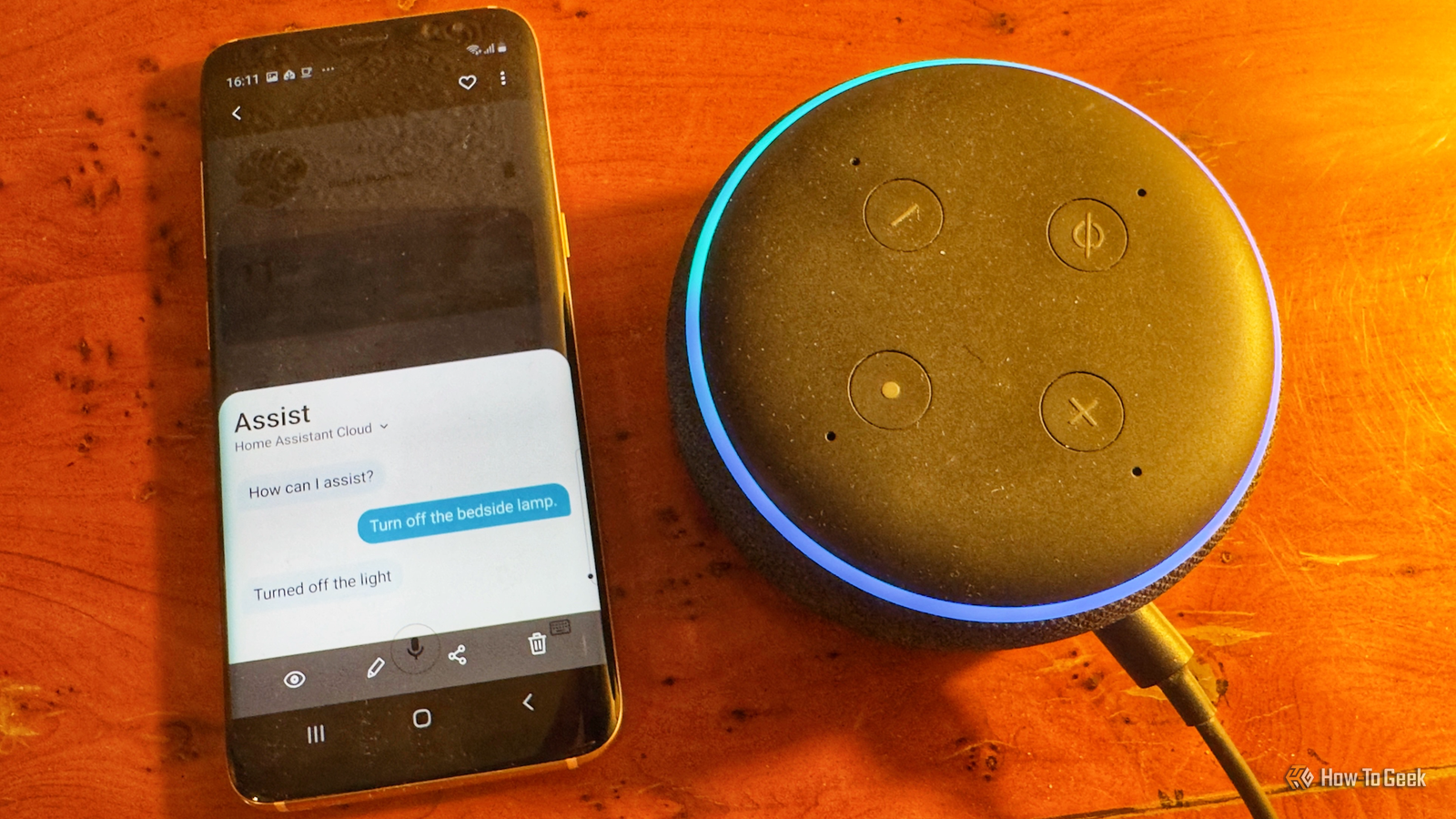
In a recent test comparing Amazon's Alexa+ and Home Assistant's native voice assistant, the results highlighted distinct strengths and weaknesses of each system in handling voice commands. The evaluation involved controlling a Philips Hue smart bulb with both assistants, focusing on common tasks such as turning the light on and off, adjusting brightness, changing colors, and setting timers.
What happened
The tester conducted a series of voice command tests, measuring response times and accuracy. While both Alexa+ and Home Assistant's Assist showed similar speeds in basic tasks, with Alexa+ averaging a response time of 1.5 seconds and Assist slightly faster at 1.4 seconds, the real differentiation emerged in more complex scenarios. Alexa+ struggled with follow-up commands, while Assist was able to handle them effectively, showcasing its ability to manage multiple instructions.
Why it matters
- Command Handling: Users who frequently give multi-part commands may find Home Assistant's Assist more reliable, as it successfully executed a command to turn on a lamp and set a timer simultaneously, a task that stumped Alexa+.
- Natural Language Understanding: Alexa+ benefits from a large language model, allowing for better understanding of natural language commands. However, Assist can be enhanced with additional integrations to improve its contextual awareness, making it a flexible option for tech-savvy users.
- Ecosystem Considerations: The performance differences may influence consumer decisions on which smart home ecosystem to adopt, particularly for those prioritizing advanced voice command capabilities.
Context and caveats
While the testing provided valuable insights, it's important to note that the performance of voice assistants can vary based on hardware and setup. For example, Echo devices are known for their superior wake word recognition in noisy environments, which may give Alexa+ an edge in certain situations. Additionally, Assist's performance can be improved by integrating it with cloud-based or local large language models, which may not be a straightforward option for all users.
What to watch next
As smart home technology continues to evolve, it will be interesting to see how both Alexa+ and Home Assistant adapt to user needs and improve their capabilities. Future updates may address current limitations, particularly in handling complex commands and enhancing natural language processing. Users should keep an eye on updates from both platforms to see how these changes might affect their smart home experience.
Sources
1 media- [1]I gave Alexa+ and Home Assistant the same voice commands and there was a clear winnerMedia
How-To Geek Smart Home · howtogeek.com · published Nov 17
Newsletter
Your weekly smart home signal. No spam.
Comments
Log in with
Loading comments…