Aliro Standard Promises Enhanced Interoperability for Smart Locks
The Connectivity Standards Alliance has introduced Aliro, a new standard aimed at improving interoperability and security in smart lock systems. By leveraging multiple wireless technologies like NFC, Bluetooth LE, and Ultra Wideband, Aliro seeks to eliminate the reliance on physical keys while ensuring a reliable user experience. This initiative is backed by major industry players, aiming to unify smart lock solutions across different manufacturers and platforms.

Key takeaways
30-second read- 1Consumers can expect greater compatibility between smart locks and mobile devices, reducing the frustration of proprietary systems.
- 2Enhanced security features like asymmetric cryptography will help protect users from unauthorized access and credential cloning.
- 3The adoption of Aliro could lead to a wider variety of smart lock options that cater to different budgets and use cases, making smart locks more accessible.
Confirmed
Official source: Connectivity Standards Alliance
Reported
No secondary reporting linked
Verify yourself
Eligibility, local prices and dates for your car, state or utility
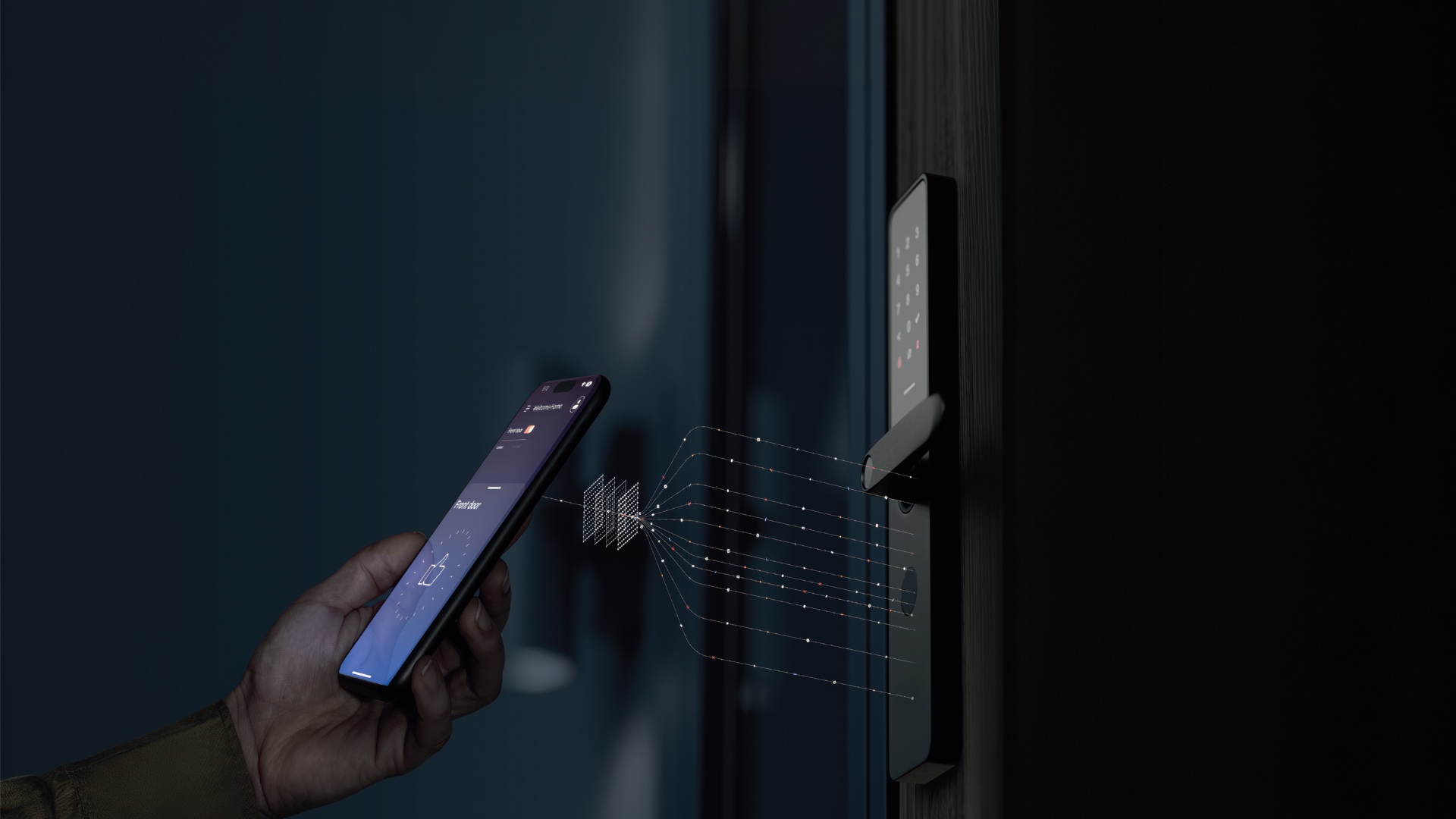
The Connectivity Standards Alliance (CSA) has unveiled Aliro, a new standard designed to enhance interoperability and security in smart lock systems. This initiative aims to address the challenges that have hindered the widespread adoption of smart locks, such as reliability and compatibility issues across different devices. By integrating multiple wireless technologies—NFC, Bluetooth Low Energy (BLE), and Ultra Wideband (UWB)—Aliro offers a comprehensive solution that allows users to leave their physical keys behind without compromising on security or convenience.
What happened
Aliro was developed as a response to the growing demand for digital access solutions that are both user-friendly and secure. The CSA, which has previously worked on the Matter standard for smart home devices, is leveraging its expertise to create a unified framework for digital credentials and access control. This new standard aims to facilitate seamless interactions between smart locks and various mobile devices, regardless of the manufacturer.
Why it matters
- Interoperability: With Aliro, consumers can expect improved compatibility between smart locks and their smartphones, reducing the frustration associated with proprietary systems that often lock users into specific brands.
- Security Enhancements: The standard incorporates advanced security measures, including asymmetric cryptography, to protect against unauthorized access and credential cloning, making smart locks more trustworthy.
- Diverse Options: As Aliro gains traction, it could lead to a broader range of smart lock products that cater to different budgets and needs, making smart home technology more accessible to a wider audience.
Context and caveats
Despite the promise of Aliro, the transition to a new standard will take time. Many existing smart lock solutions may not be immediately compatible with Aliro, and consumers may need to wait for manufacturers to adopt this new standard. Additionally, while Aliro aims to solve interoperability issues, the success of its implementation will depend on widespread industry buy-in from device makers and integrators.
What to watch next
As Aliro begins to roll out, keep an eye on how quickly manufacturers adopt this standard and the types of products that emerge. The first reference design, the STEVAL-ALOCKCB, is already available, showcasing the potential for Aliro-enabled smart locks. Consumers should consider waiting for Aliro-compatible products to hit the market for a more integrated and secure smart home experience.
Sources
1 official- [1]Aliro: Unlocking the future of smart locks with an ST reference designOfficial
Connectivity Standards Alliance · blog.st.com · published Nov 13
Newsletter
Your weekly smart home signal. No spam.
Comments
Log in with
Loading comments…