Building a Smart Home That Integrates Across Brands
Creating a smart home that seamlessly integrates devices from different brands is achievable through careful planning and the use of compatible technologies. The Connectivity Standards Alliance emphasizes the importance of interoperability standards, such as Matter, which allow devices from various manufacturers to communicate effectively. This approach not only enhances user experience but also future-proofs your smart home against obsolescence.

Key takeaways
30-second read- 1Consumers can mix and match devices from different brands without worrying about compatibility issues, leading to a more customized smart home experience.
- 2Interoperability standards like Matter can reduce the risk of device obsolescence, ensuring that users can upgrade their systems without needing to replace all their devices.
- 3A well-integrated smart home can improve efficiency and convenience, making it easier for users to manage their connected devices.
Confirmed
Official source: Connectivity Standards Alliance
Reported
No secondary reporting linked
Verify yourself
Eligibility, local prices and dates for your car, state or utility
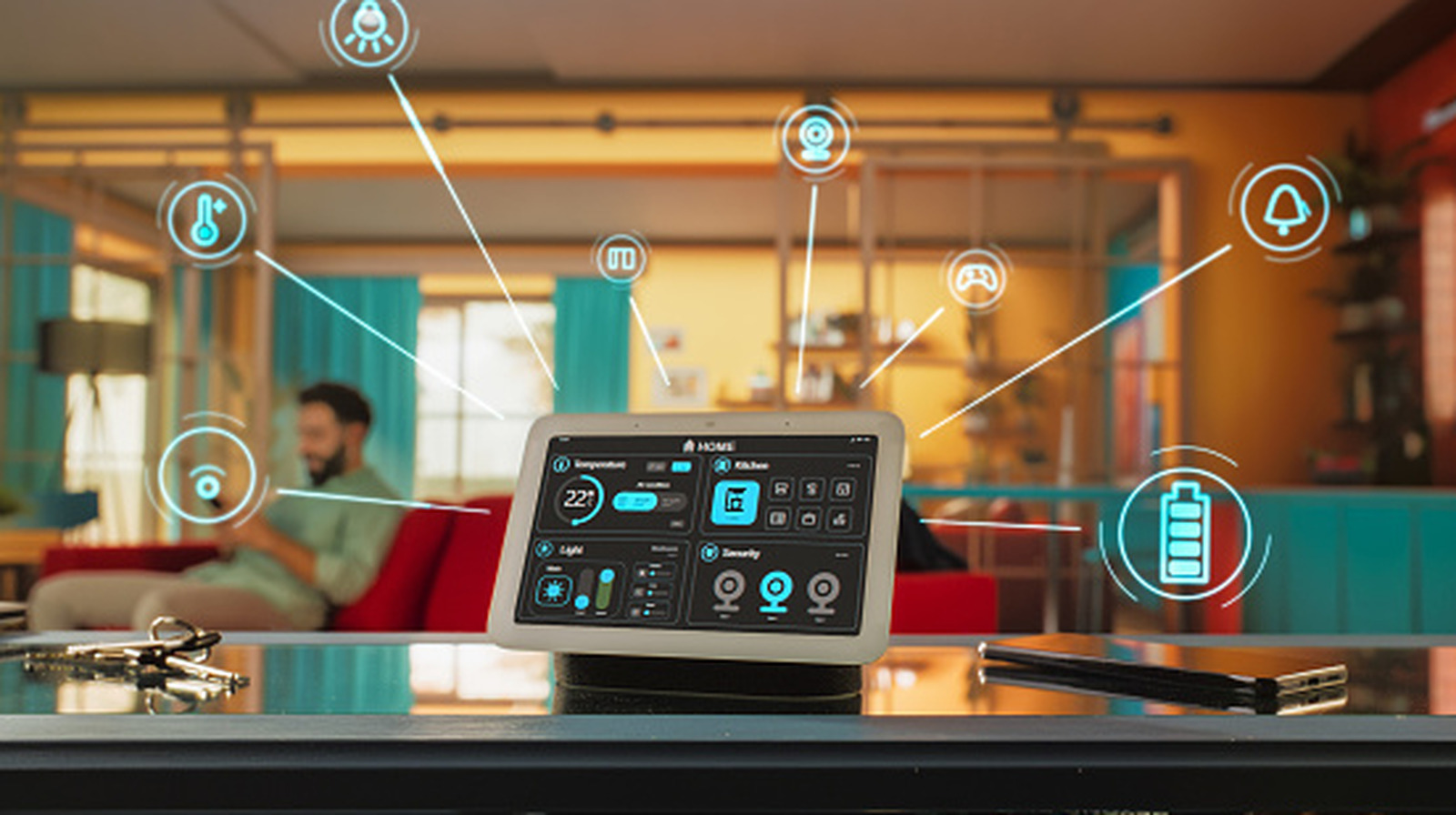
Creating a smart home that works seamlessly across different brands can seem daunting, but with the right approach, it is entirely achievable. The key lies in understanding interoperability standards and choosing devices that can communicate effectively with one another. This article will explore how to build a smart home that integrates devices from various manufacturers, focusing on compatibility, privacy, price, and whether to buy or wait.
Understanding Interoperability Standards
Interoperability is the ability of different devices and systems to work together. In the context of smart homes, this means that devices from different manufacturers can communicate and function together without issues. The Connectivity Standards Alliance (CSA) has been at the forefront of developing standards that promote this interoperability. One of the most significant advancements in this area is the introduction of Matter, a connectivity standard designed to unify smart home devices.
Matter aims to simplify the smart home experience by allowing devices from various brands to work together seamlessly. This means that whether you have a smart bulb from one manufacturer and a smart thermostat from another, they can communicate effectively, enhancing the overall user experience.
Choosing Compatible Devices
When building a smart home, the first step is to choose devices that support interoperability standards like Matter. Many leading manufacturers have begun to adopt this standard, which means that consumers can select from a wide range of products without worrying about compatibility issues. Here are some tips for choosing compatible devices:
- Research Brands: Look for brands that have committed to supporting Matter or other interoperability standards. This information is often available on the manufacturer's website or product specifications.
- Check for Compatibility: Before purchasing a device, check if it explicitly states compatibility with other systems or platforms. This can often be found in product descriptions or user manuals.
- Consider Ecosystem: Some users may prefer to stick to a specific ecosystem (like Apple HomeKit, Google Home, or Amazon Alexa) for ease of use. However, with Matter, even devices from different ecosystems can work together, providing more flexibility.
Privacy and Security Considerations
As smart homes become more interconnected, privacy and security become paramount concerns. When integrating devices from different brands, it’s essential to consider how data is shared and protected. Here are some key points to keep in mind:
- Data Sharing: Understand what data your devices collect and how it is used. Look for devices that prioritize user privacy and offer transparent data policies.
- Security Protocols: Ensure that the devices you choose have robust security measures in place, such as encryption and regular firmware updates. This is particularly important when devices are connected to the internet and can be vulnerable to cyber threats.
- User Control: Opt for devices that allow you to control your privacy settings easily. This includes the ability to manage data sharing preferences and revoke access to third-party applications.
Pricing and Budgeting for Smart Home Devices
The cost of building a smart home can vary significantly based on the devices you choose. While some consumers may be tempted to purchase the cheapest options available, it’s essential to consider the long-term value of your investments. Here are some budgeting tips:
- Invest in Quality: While it may be tempting to opt for lower-priced devices, investing in quality products that support interoperability can save you money in the long run. These devices are likely to have longer lifespans and better support.
- Look for Bundles: Some manufacturers offer bundles that include multiple devices at a discounted rate. This can be a cost-effective way to build your smart home.
- Plan for Upgrades: As technology evolves, you may want to upgrade your devices. Consider how future-proof your choices are and whether they can be easily integrated with new technologies.
Should You Buy Now or Wait?
With the rapid pace of technological advancement, many consumers may wonder whether they should buy smart home devices now or wait for the next big thing. Here are some considerations:
- Current Needs: If you have immediate needs for smart home technology, such as security or energy efficiency, it may be worth investing in devices now, especially those that support Matter.
- Upcoming Innovations: Keep an eye on upcoming innovations in smart home technology. If you’re not in a rush, waiting for new releases could provide you with better options and features.
- Adoption of Standards: As more manufacturers adopt interoperability standards like Matter, the selection of compatible devices will continue to grow. If you can wait, you may have access to a wider range of options in the near future.
Conclusion
Building a smart home that works across different brands is not only possible but also increasingly practical with the advent of interoperability standards like Matter. By choosing compatible devices, considering privacy and security, budgeting wisely, and staying informed about technological advancements, consumers can create a smart home that meets their needs and enhances their daily lives. As the smart home landscape continues to evolve, staying informed will empower users to make the best choices for their connected home technology.
Sources
1 official- [1]How To Build A Smart Home That Works Across Different BrandsOfficial
Connectivity Standards Alliance · bgr.com · published Nov 2
Newsletter
Your weekly smart home signal. No spam.
Comments
Log in with
Loading comments…