DIY Smart RGB Mirror: A Budget-Friendly Alternative
A DIY enthusiast created a smart RGB mirror at a fraction of the cost of commercial options. By sourcing a basic mirror and using affordable smart light strips, they managed to build a fully functional smart mirror for around $60, compared to typical prices of $150 or more for pre-made versions. This project highlights the potential for customization and cost savings in smart home tech.

Key takeaways
30-second read- 1DIY projects can significantly reduce costs for smart home devices, making technology more accessible.
- 2Customizable solutions allow users to tailor smart home products to their specific needs and preferences.
- 3Understanding compatibility with smart assistants and ecosystems is crucial for maximizing the functionality of DIY smart home projects.
Confirmed
No official source linked yet
Reported
Secondary reporting: How-To Geek Smart Home
Verify yourself
Eligibility, local prices and dates for your car, state or utility
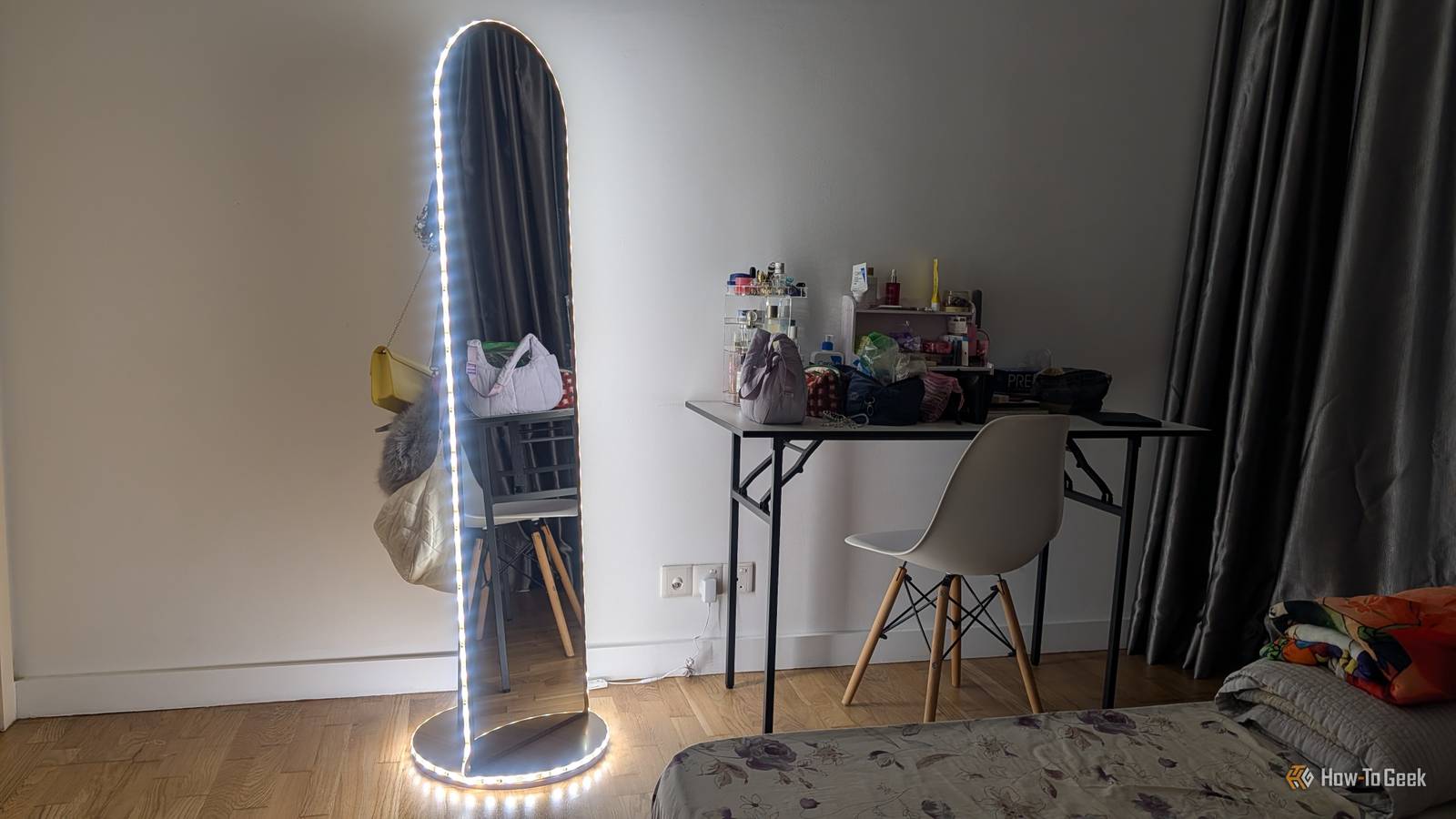
Creating a smart RGB mirror can be a fulfilling project for DIY enthusiasts looking to save money while enhancing their home. A recent article from How-To Geek details one person's experience of building a smart mirror for approximately $60, significantly less than the typical retail price of $150 or more for similar products. This project not only showcases the potential for cost savings but also emphasizes the customization possibilities available through DIY solutions.
What happened
The DIYer began their project by selecting a full-length mirror, which they purchased on sale for around $30, with full prices reaching about $100. They emphasized the importance of shopping at thrift stores or online marketplaces to find better deals. The next step involved choosing a smart light strip, with options like the Govee 16.4ft RGB light strip priced at $24.99, or the SwitchBot LED Strip Light 3 at $44.99, both of which offer compatibility with smart home systems like Alexa and Google Assistant.
Why it matters
- Cost-Effective Solutions: This DIY project illustrates how individuals can create smart home devices without spending excessively, making technology more accessible to a wider audience.
- Customization: By building their own mirror, the DIYer was able to tailor the design and features to their specific needs, something that pre-made options often lack.
- Smart Home Compatibility: The project highlights the importance of ensuring that chosen components, such as light strips, are compatible with existing smart home ecosystems, which can enhance the overall user experience.
Context and caveats
While the DIY approach can be rewarding, it also requires some technical knowledge and the willingness to experiment. The article notes that not all smart light strips offer reliable software support, which can lead to frustration if the app fails or if the product is discontinued. Therefore, selecting reputable brands is crucial for long-term satisfaction.
What to watch next
For those considering a similar project, it’s essential to research and choose smart light strips that offer good app support and compatibility with your preferred smart home assistant. Seasonal sales can also provide opportunities to save on components, making it a great time to start a DIY project. As smart home technology continues to evolve, staying informed about new products and features will help DIYers make the best choices for their projects.
Sources
1 media- [1]I was too cheap to buy a smart RGB mirror, so I DIYed one myselfMedia
How-To Geek Smart Home · howtogeek.com · published Nov 12
Newsletter
Your weekly smart home signal. No spam.
Comments
Log in with
Loading comments…