Home Assistant Reduces Need for Multiple Smart Home Gadgets
Home Assistant can replace several common smart home devices, allowing users to streamline their setups. By using existing smart devices, users can eliminate the need for separate hubs, sunrise alarm clocks, motion-activated night lights, programmable timers, and doorbell chimes. This consolidation can lead to a more efficient and customizable smart home experience.

Key takeaways
30-second read- 1Home Assistant allows users to consolidate multiple smart home devices into one platform, reducing clutter and complexity in smart home setups.
- 2Users can save money by utilizing existing devices instead of purchasing specialized gadgets, making smart home technology more accessible.
- 3The ability to create custom automations enhances the functionality of existing devices, providing a more tailored smart home experience.
Confirmed
No official source linked yet
Reported
Secondary reporting: How-To Geek Smart Home
Verify yourself
Eligibility, local prices and dates for your car, state or utility
Home Assistant is revolutionizing the way users interact with their smart home devices by allowing them to replace several common gadgets with existing technology. This shift not only simplifies smart home setups but also enhances their functionality, making it easier for users to manage their connected devices.
What happened
According to a recent article from How-To Geek, Home Assistant can effectively replace multiple smart home gadgets that users typically rely on. For instance, instead of needing separate smart home hubs for various ecosystems like Alexa, Google Home, and Apple Home, Home Assistant can serve as a universal hub. This means users can control devices from different brands without the need for additional hardware, provided they have the right coordinators to connect to their devices.
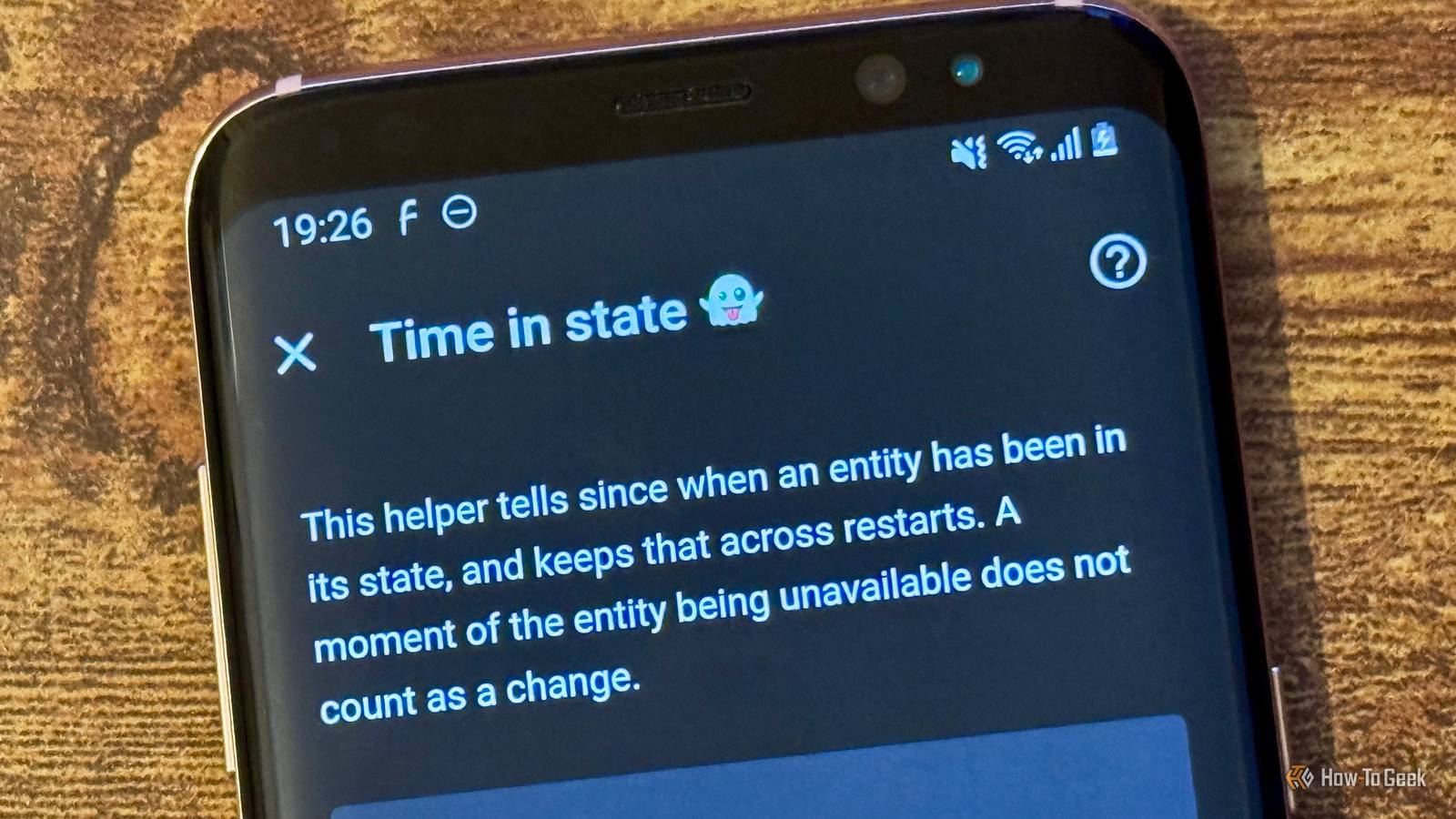
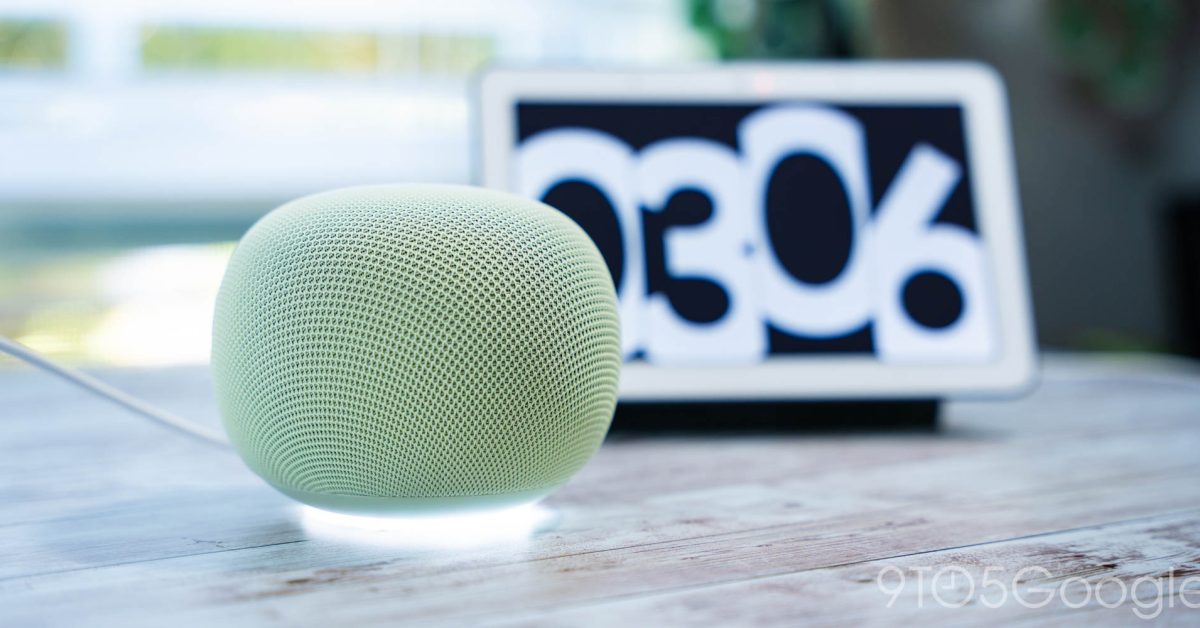
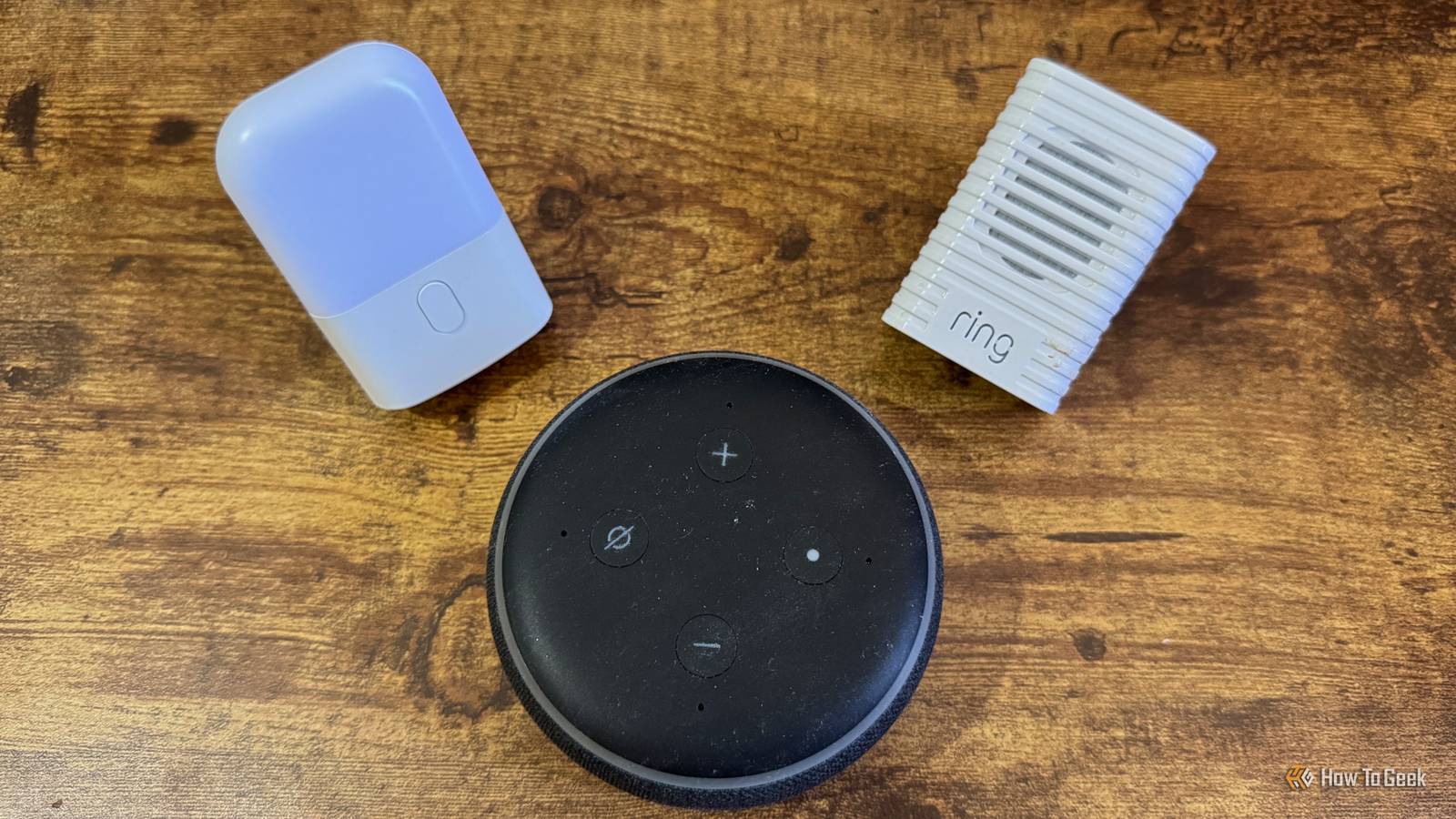
Additionally, Home Assistant can mimic the functions of sunrise alarm clocks, motion-activated night lights, programmable timers, and doorbell chimes using existing smart bulbs and sensors. For example, users can automate their smart bulbs to gradually brighten in the morning or use motion sensors to turn on hallway lights at night, eliminating the need for dedicated devices.
Why it matters
- Consolidation of devices: By using Home Assistant, users can reduce the number of separate smart home devices, leading to a more streamlined and organized smart home environment.
- Cost savings: Users can save money by repurposing existing devices rather than purchasing specialized gadgets, making smart home technology more affordable.
- Enhanced customization: Home Assistant allows for the creation of personalized automations that can enhance the functionality of existing devices, providing a more tailored and responsive smart home experience.
Context and caveats
While Home Assistant offers significant advantages, it is important to note that it may not be able to replace every gadget in a smart home. Some devices may still require proprietary hubs or specific integrations that Home Assistant does not support. Additionally, users may need to invest time in setting up and configuring Home Assistant to fully leverage its capabilities.
What to watch next
As Home Assistant continues to evolve, it will be interesting to see how it integrates with new devices and technologies. Users should keep an eye on updates and new features that could further enhance the platform's capabilities. Furthermore, the growing trend of smart home automation suggests that more users may look to consolidate their devices, making Home Assistant an increasingly popular choice for smart home enthusiasts.
Sources
1 media- [1]5 smart home gadgets I no longer need thanks to Home AssistantMedia
How-To Geek Smart Home · howtogeek.com · published Nov 14
Newsletter
Your weekly smart home signal. No spam.
Comments
Log in with
Loading comments…