Matter vs Cloud: Choosing the Right Smart Home Connection
The debate between using Matter and cloud connections for smart home devices centers on control, reliability, and feature access. Matter, a standard backed by major tech companies, allows for local control and faster response times, while cloud connections provide access to all device features but rely on internet connectivity. Ultimately, the choice depends on user needs and preferences for automation and control.
Key takeaways
30-second read- 1Matter connections allow for local control, ensuring devices continue to function even if the internet goes down, which is crucial for reliability in smart home setups.
- 2Users can enjoy faster response times with Matter, enhancing the overall smart home experience, especially for automations triggered by sensors.
- 3Cloud connections may offer more features for specific devices, but they also introduce risks related to internet dependency and potential service changes by manufacturers.
Confirmed
No official source linked yet
Reported
Secondary reporting: The Ambient
Verify yourself
Eligibility, local prices and dates for your car, state or utility

The ongoing discussion about Matter versus cloud connections in smart home technology highlights the importance of understanding how each option affects device performance and user experience. Matter, a smart home standard supported by major brands like Apple, Google, and Amazon, enables devices to connect directly to a home network, allowing for local control and faster response times. In contrast, cloud connections rely on internet access and manufacturer servers, which can introduce delays and potential service disruptions.
What happened
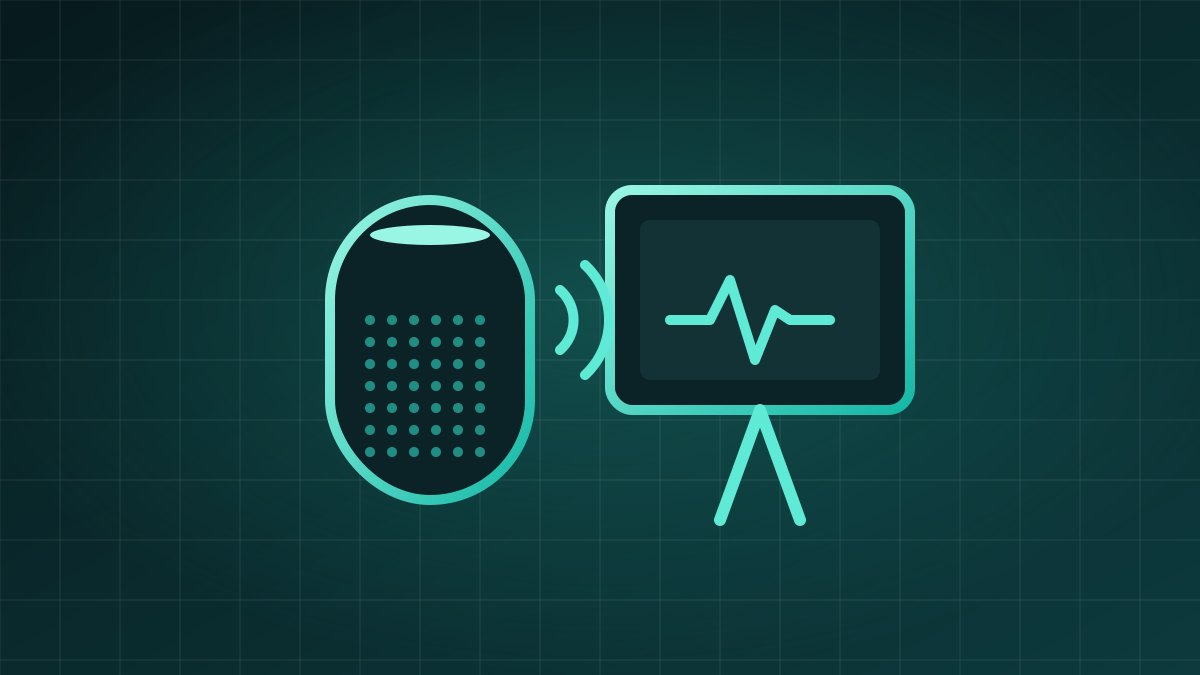
Matter is designed to facilitate seamless communication between smart home devices without needing to rely on the internet. This means that devices can continue to operate and respond to commands even if the internet goes down. For example, if a user has a Matter-enabled light bulb connected to a smart speaker, they can still turn on the light even during an internet outage. On the other hand, cloud connections have been the traditional method for smart devices, allowing for remote access and full feature utilization but at the cost of increased latency and reliance on internet connectivity.
Why it matters
- Local Control and Reliability: Matter connections ensure that smart home devices can function independently of internet access, which is vital for maintaining automation and control during outages.
- Faster Response Times: With Matter, commands are processed locally, resulting in quicker actions compared to cloud-based systems that require data to travel to and from external servers.
- Feature Limitations: While Matter offers reliable control, it may not support all features available through cloud connections, which can be a deciding factor for users who want full access to their devices' capabilities.
Context and caveats
While Matter provides significant advantages, it does have limitations. For instance, Matter devices may not support all manufacturer-specific features, which could be a drawback for users who rely on advanced functionalities. Additionally, setting up Matter devices can be slower, as each device may need to be added individually, unlike cloud setups that can integrate entire systems at once.
What to watch next
As more devices become Matter-compatible, users should consider their specific needs when choosing between Matter and cloud connections. Many devices now support both, allowing users to leverage the benefits of local control while retaining access to manufacturer apps for advanced features. Keeping an eye on upcoming Matter-enabled products and updates will be essential for smart home enthusiasts looking to optimize their setups.
Sources
1 media- [1]Matter vs cloud: which smart home connection should you use?Media
The Ambient · the-ambient.com · published Nov 20
Newsletter
Your weekly smart home signal. No spam.
Comments
Log in with
Loading comments…