Smart Home Automation Uses Humor to Encourage Movement
A user of Home Assistant has programmed their smart home to deliver humorous and rude reminders to get up and move after sitting for too long. Initially using standard health reminders, the user escalated to using a language model to generate increasingly rude announcements, which proved more effective at prompting action. This approach combines humor with technology to address sedentary behavior, making it a unique solution for remote workers.

Key takeaways
30-second read- 1This innovative use of smart home technology can help users combat the negative health effects of prolonged sitting, a common issue for remote workers.
- 2The ability to customize voice announcements adds a layer of personalization to smart home devices, making them more engaging and effective in promoting healthy habits.
- 3Users looking for creative ways to enhance their smart home experience can explore similar automation techniques to address their own lifestyle challenges.
Confirmed
No official source linked yet
Reported
Secondary reporting: How-To Geek Smart Home
Verify yourself
Eligibility, local prices and dates for your car, state or utility
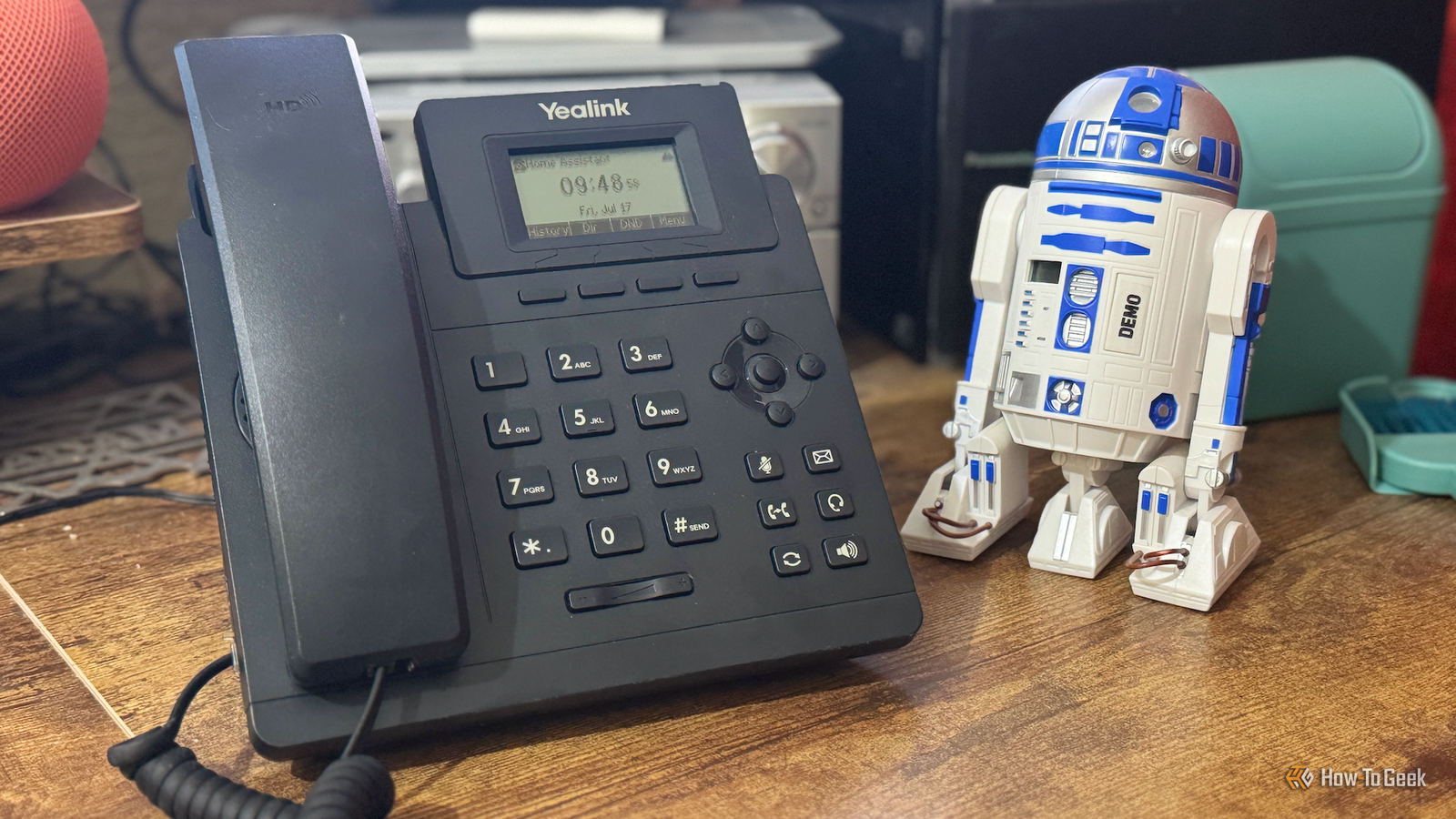
In an interesting twist on smart home automation, a user has found a creative way to encourage movement during long work hours by programming their smart home to deliver humorous and rude reminders. This approach not only addresses the health risks associated with prolonged sitting but also adds a layer of fun to the experience.
What happened
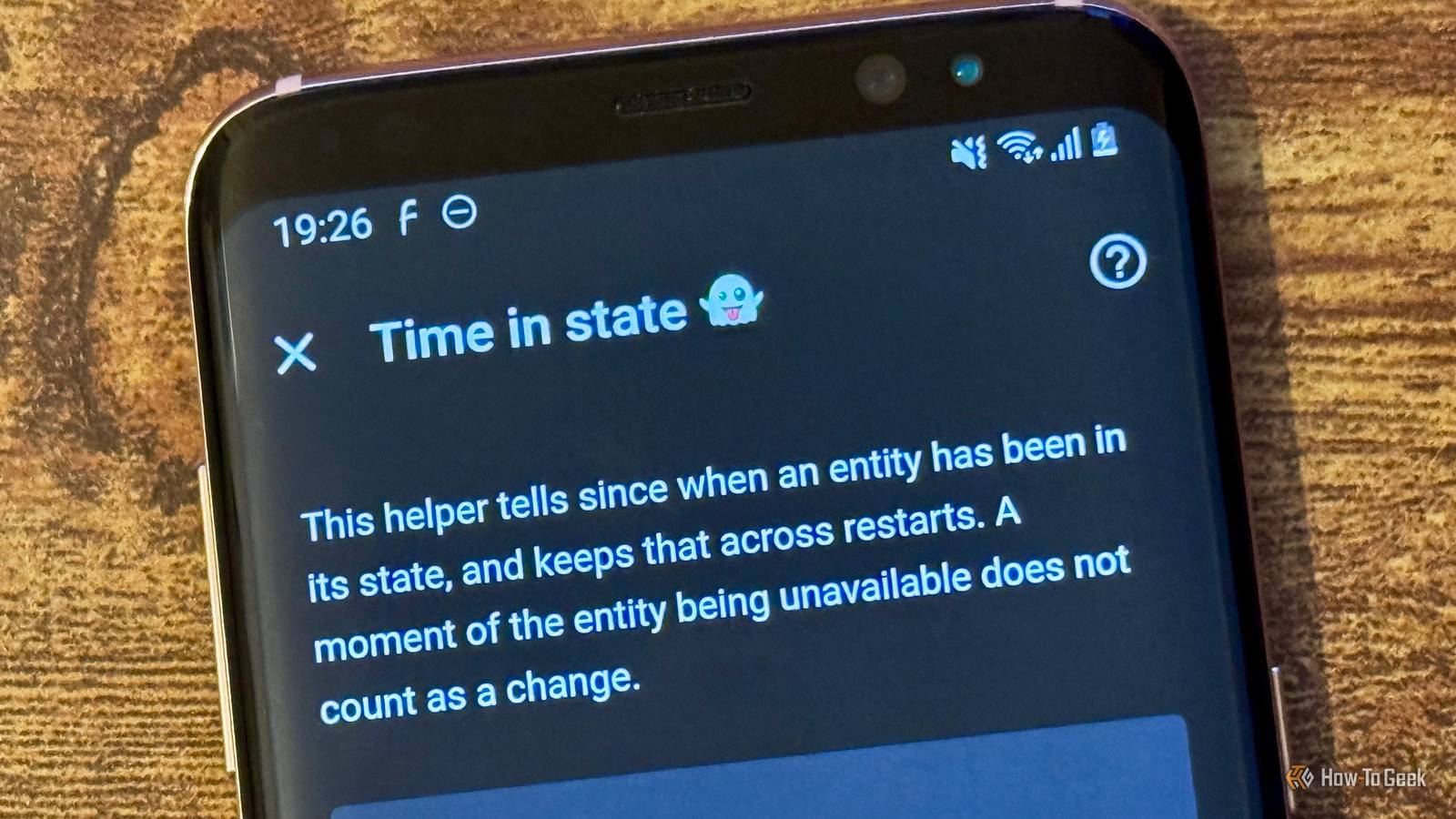
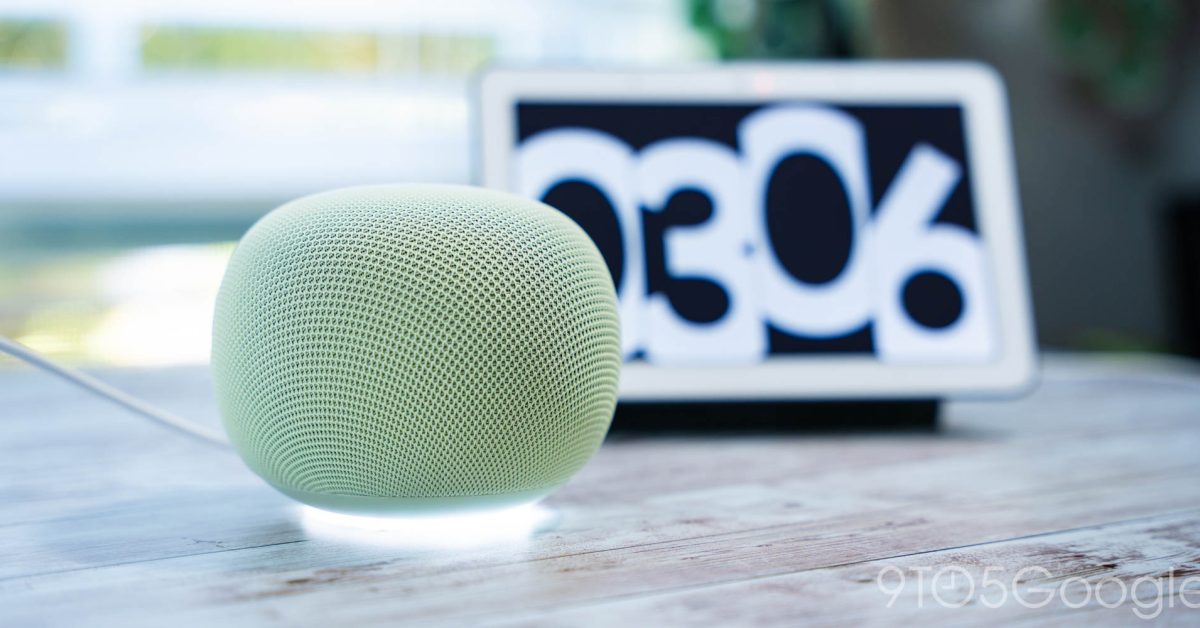
The user, who is a fan of Home Assistant, initially set up a presence sensor to track their sitting time. After sitting for 30 minutes, their smart speaker would announce reminders to get up and move. However, as time went on, the user began to tune out these reminders. To combat this, they decided to escalate the tone of the announcements by using a language model to generate increasingly rude messages. The result was a series of comical yet offensive reminders that proved to be much more effective at prompting the user to get up from their desk.
Why it matters
This unique application of smart home technology highlights several important aspects for users:
- Health Benefits: With many people working from home, the risk of sedentary behavior is high. This automation provides a humorous yet effective reminder to take breaks and move around, potentially improving health outcomes.
- Customization: The ability to tailor announcements to be more engaging can enhance the user experience with smart home devices. This level of personalization can make technology feel more responsive and relevant to individual needs.
- Engagement: By incorporating humor and a bit of rudeness, the user has found a way to keep themselves engaged with their health reminders. This could inspire others to think outside the box when it comes to using technology for personal wellness.
Context and caveats
While this approach has worked well for the user, it may not be suitable for everyone. The use of rude language, even in a humorous context, might not be appropriate for all households, especially those with children. Additionally, the effectiveness of such reminders can vary based on individual preferences and sensitivities.
What to watch next
As more people work from home and seek ways to improve their health and productivity, we may see an increase in creative uses of smart home technology. Users might explore other forms of engagement, such as gamification or social sharing, to encourage movement and healthy habits. Furthermore, the development of more sophisticated AI-driven personal assistants could lead to even more personalized and effective health reminders in the future.
Sources
1 media- [1]My smart home started swearing at me and I couldn’t be more delightedMedia
How-To Geek Smart Home · howtogeek.com · published Nov 16
Newsletter
Your weekly smart home signal. No spam.
Comments
Log in with
Loading comments…